Dr. Santanu Chatterjee, interim dean at UGA’s Terry College of Business (at podium), and Dr. Simon Medcalfe, economist at AU’s Hull College of Business and an ABD contributor, both can see growth in Augusta’s economy in 2026.
They see different sectors helping to drive revenue and jobs.

Dr. Chatterjee led the 43rd annual statewide economic outlook event that travels from city to city. He said the Metro Augusta region is important to the overall outlook for Georgia, with healthcare leading the way.
“The only sector in which we’ll see some job growth outside of manufacturing is health care, and that is very important for the state of Georgia. It is very important for Augusta, and that investment that is coming out of the medical school and the Health Sciences facilities here is going to create some good tailwinds for the local economy,” he said.

Dr. Simon Medcalfe told ABD he wouldn’t at all be surprised if the Leisure & Hospitality industry once again takes a step forward in the Garden City this year.
“L&H (hotels, restaurants, arts, entertainment, and recreation) is more dependent on the strength of the general economy than is health care. Consumer sentiments are low, but consumer spending remains strong. However, nationally, much of this spending is done by higher-income households. As long as consumer spending remains strong, especially at the higher income levels, I still see a good year for L&H in 2026.”
Medcalfe previously wrote about a 10% year over year growth in jobs in those areas for 2025 in Metro Augusta.
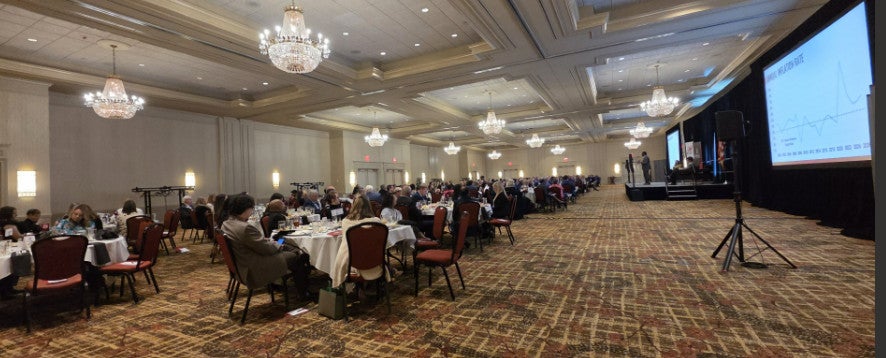
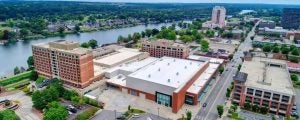
The event was held at the Augusta Marriott, one of three large hotels undergoing multi-million dollar renovations in 2026.
Dr. Chatterjee, who shared the stage with Cal Wray, president of the Augusta Economic Development Authority (AEDA), added that increased defense spending will also benefit the area with higher demands for housing and retail spending.
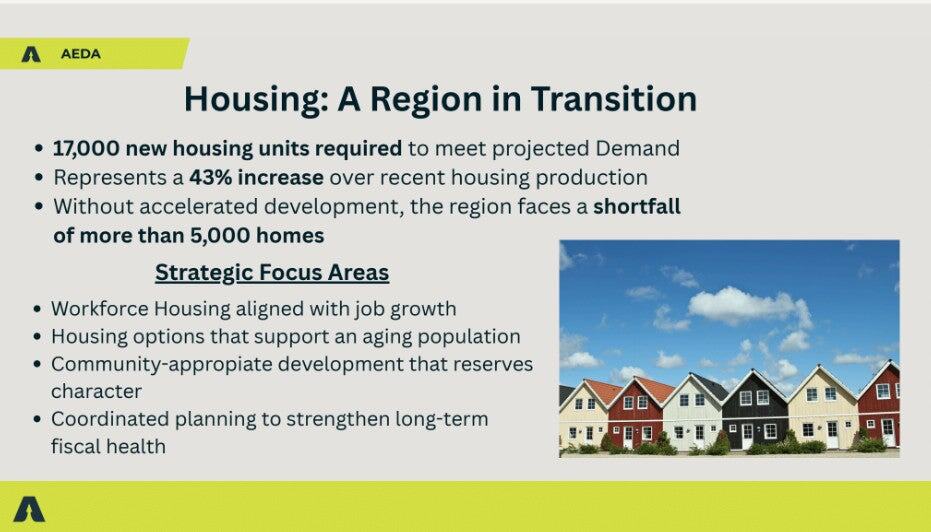
Wray said the demand for housing is one of the weaknesses locally that must be addressed.
“We have deficiencies in housing,” he said. “We need housing, and we need workforce training programs to continue the job growth and to fill the jobs that are going to be created or already created. We need growth in infrastructure, the need for growth in housing, and making permitting easier so we can handle the influx of population and jobs within our community.”
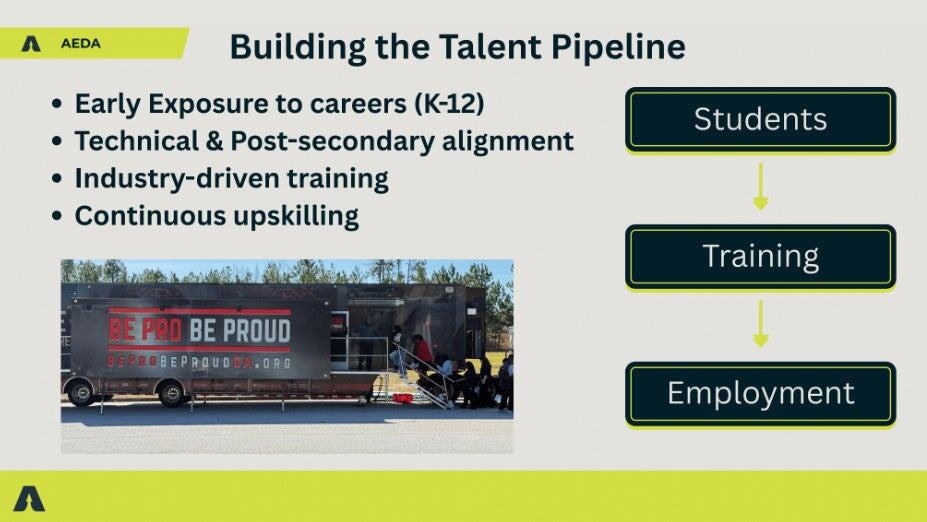
Wray said there is a positive and negative when looking at the local workforce. He said the positive is local educational institutions offering programs to train people for in-demand careers ranging from skilled trades to healthcare and the cyber field.
The downside is the numbers, with an estimated 20% of the population reaching retirement age in the next five years, leaving jobs that need to be filled.
“Look at the skill sets you need. Look at the training programs out there. Start planning now for your career, because you’re going to need the training, and it’s available in the community,” he advised. “The jobs are coming or already here. Get the training you need to be able to take advantage of those jobs and the careers that they offer.”
Leadership from the University of Georgia’s (UGA) Terry College of Business wrapped up the 2026 multi-city economic outlook series with a stop in Augusta.
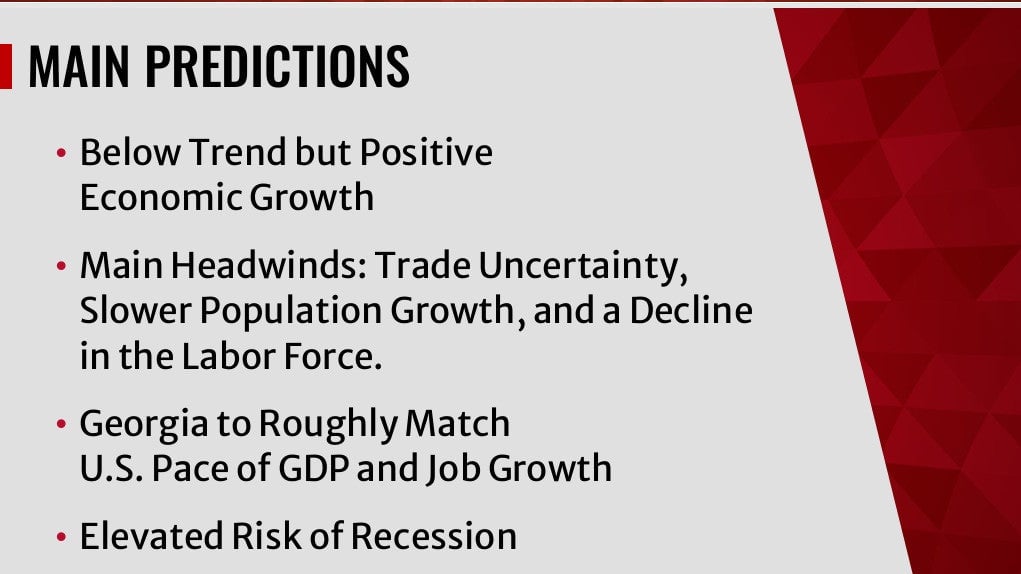
Chatterjee said based on Gross Domestic Product (GDP) and job growth, Georgia’s economy will match or exceed the U.S. economy, although at a slower pace than in the past. He attributed that to uncertainty related to trade policies and tariffs, a decline in the size of the labor force, and slower population growth.
“On the positive side, I think there have been a lot of economic development and manufacturing projects that have been announced in the state over the last one or two years that are building out or ramping up production,” he told ABD. “That is going to be a silver lining, and that will actually help create some positive employment for the state, possibly exceeding that of the United States.”
He also pointed to growing investments in artificial intelligence and data centers across Georgia, which will support job creation.
Chatterjee said one area of concern is commercial real estate development, which he anticipates will remain in recession. Georgia is particularly at risk because it has a higher dependence on the industry, with its 209,000 jobs breaking down to one out of 33 jobs. The national figure is one out of 40 jobs.
A digital copy of the full UGA report is at https://www.terry.uga.edu/events/eo/