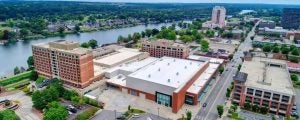
A Memorandum of Understanding (MOU) signed in early February at USCA creates a partnership with a company on the leading edge of developing new ways to generate power.
The MOU is with Antares Industries, a California-based company that specializes in nuclear fission energy systems, including fission microreactors, also known as Small Modular Reactors (SMR).
Tom Mancinelli, Head of Federal Strategy and Policy at Antares, told ABD that their work right now is primarily for defense and space. They also work with the Pentagon and NASA to provide reactors for energy resilience.
That is where USCA entered the picture.

“We knew that we were going to have to work with experts from across the country, and we decided as a company to set up a partnerships office in Aiken, South Carolina, mainly because of the presence of the Savannah River National Lab and the expertise that resides there,” he explained. “It only made sense for us to start thinking about local universities and academic institutions that we could partner with, because we know that in order to be successful, we’re going to have to tap into talented pipelines and a strong workforce.”
Choosing USCA as a partner comes as no surprise to Will Williams, President and CEO of Western SC.
“The engineering programs they’ve bought online over the past few years, no longer do you have to go to Columbia to finish up your engineering degree,” he said. “USCA is definitely becoming a leader.”
While collaborating with Antares gives USCA a step into the world of SMRs for government applications, it also means the university, and the region by extension, may have a hand in the next step in the evolution.
“We definitely see commercial opportunities in our future,” said Mancinelli. “For right now, we do think about our first customer as being the federal government. But we do think that over the longer term, we want to be a part of the solution to help drive down our country’s energy costs as data centers and different energy-intensive capabilities come on the commercial grid.”
Williams is among the local economic development leaders pointing to SMRs as a potential solution to address public concerns about energy requirements for data centers. Two such centers are under construction in Aiken County: the Meta center in the Sage Mill Industrial Park and DC Blox on Jefferson Davis Highway. Recently, Columbia County approved rezoning two tracts as potential sites for a data center, and Project Eisenhower has long been considered for Gordon Highway. Physically, SMRs can be small enough to be located on a data center property.
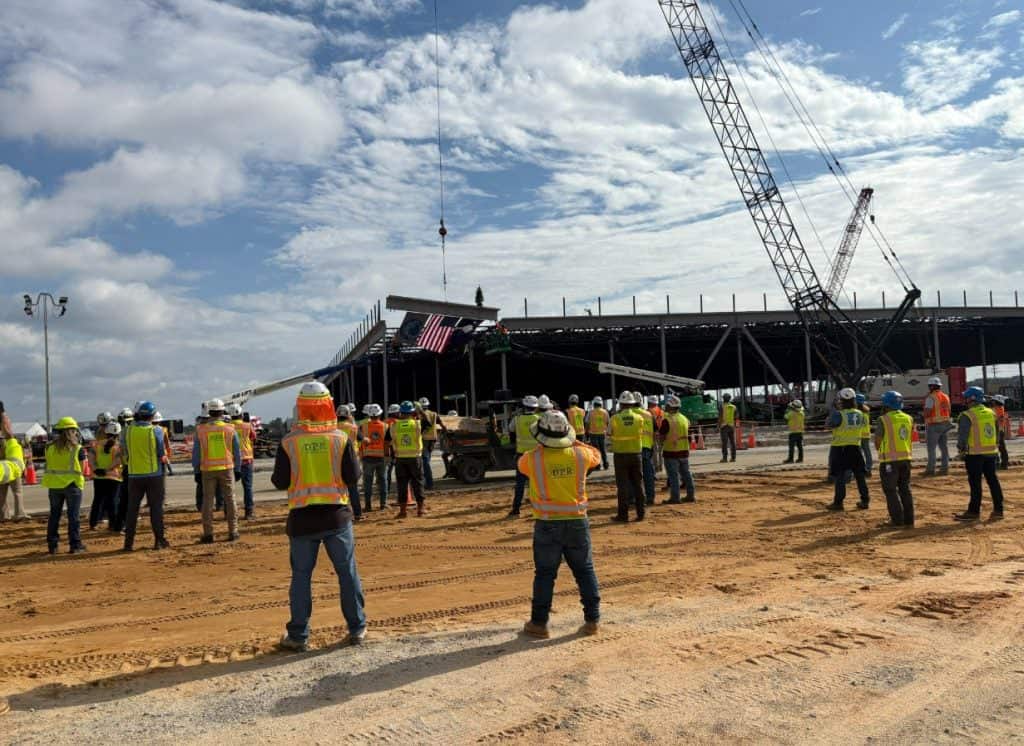
One of the biggest challenges to developing and using SMRs is the licensing requirements of the Federal government. Mancinelli said Antares works closely with the staff of their regulator to expedite the licensing process.
“The President signed four executive orders back in May of 2025 that are designed to help streamline regulations and remove unnecessary or outdated regulations,” he said. “So, we’re following the lead of the regulator and respecting their rigorous process and their rigorous review. But we do want to move things quickly, because we think that the energy needs for our military are growing, and the energy needs for Americans are only increasing.”
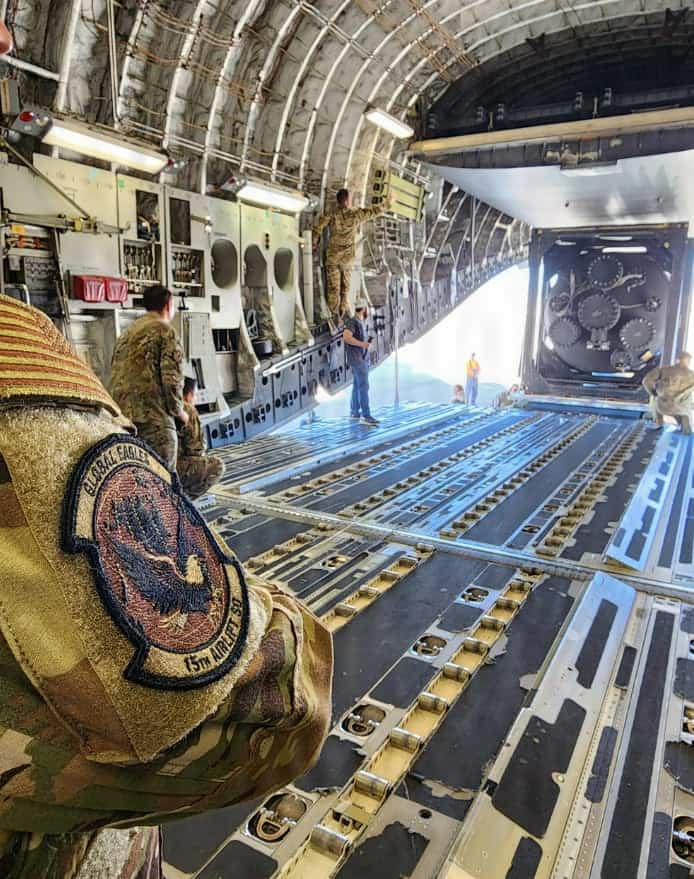
Development of SMRs for commercial use may be a goal in the future, but that future is already in sight. Earlier this month, the U.S. Air Force completed Operation Windlord, according to information from its website.
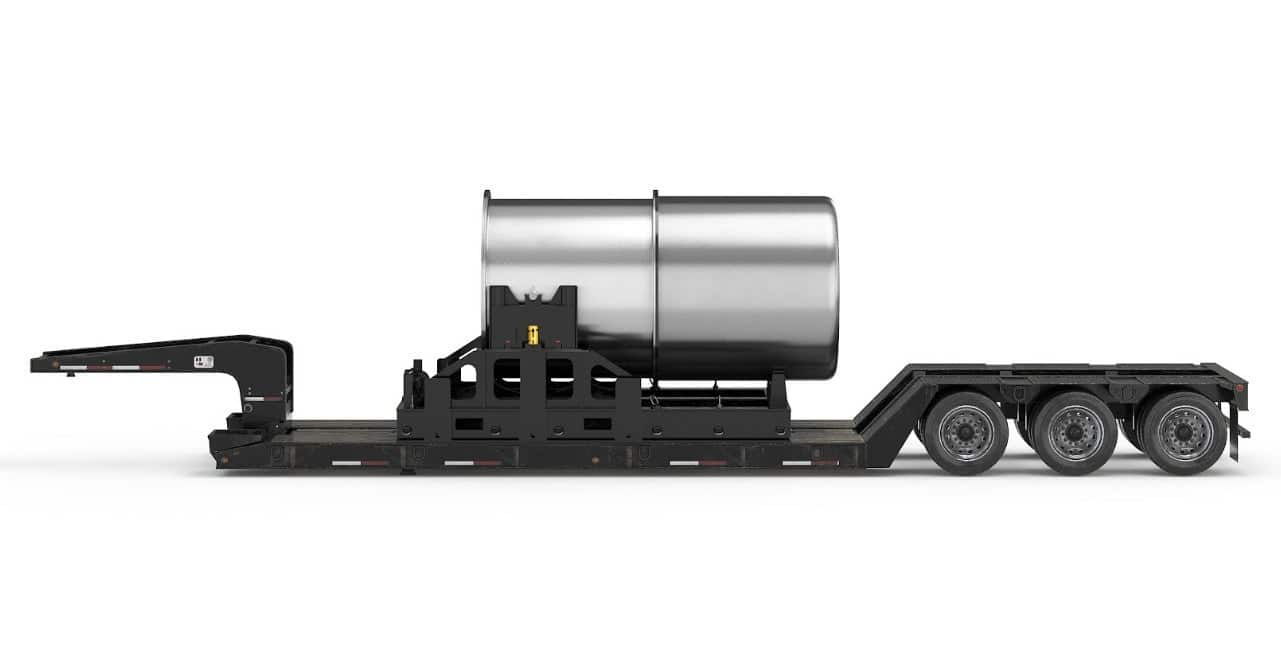
“A next-generation nuclear reactor was loaded aboard a C-17 Globemaster III aircraft for transport to Hill Air Force Base, Utah. The reactor will eventually head to the Utah San Rafael Energy Lab for testing and evaluation. The Ward 250 is a 5-megawatt nuclear reactor that fits into the back of a C-17 aircraft and could theoretically power about 5,000 homes.”
Similar technology would be used for commercial SMRs. The size and energy output would be based on the needs of the business or community.
Under the MOU, students at USCA will learn innovative energy technologies. They will also gain an understanding of engineering, manufacturing, and applied science. That will have a positive impact on workforce readiness.
Mancinelli said they see South Carolina as a leader in nuclear projects with the existing workforce and infrastructure. Also advantageous is neighboring Georgia’s expertise in the nuclear industry.
“States like South Carolina, they get more than half their power, half of their electricity, from nuclear. So, it makes sense for us to work in this part of the country,” he said, adding, “And we’re excited about the partnership we have with USC-Aiken and other institutions, and the CSRA.”