The South Carolina office tasked with protecting businesses and individuals from fraud and scams is reflecting on its golden anniversary.
The South Carolina Department of Consumer Affairs (SCDCA) was created on Jan. 1, 1975. The South Carolina Consumer Protection Code established it. Its mandate is to create a healthy marketplace through education, complaint mediation services, regulatory filings, and guidance for identity theft victims.
As part of the agency’s outreach programs, it has kicked off a new series of “Wednesday Webinars.”
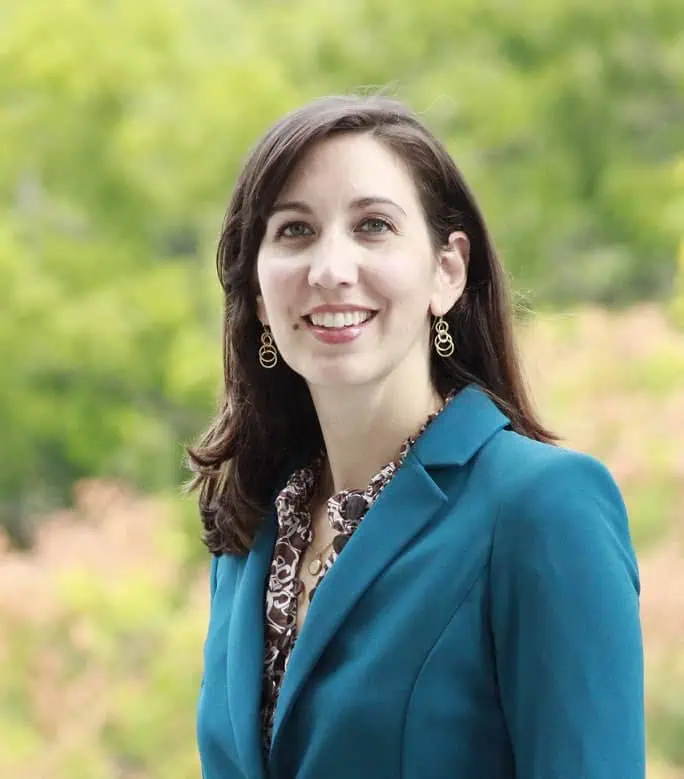
“Education is a core component of our mission,” explained Carri Grube Lybarker, Administrator and Consumer Advocate, during a recent webinar on fraud and identity theft. “We want to make sure that consumers and businesses alike are aware of their rights and responsibilities under the laws. This is especially important in the area of identity theft and security breaches.”
Lybarker explained the difference between a breach and actual identity theft. She said a breach is when a consumer is notified that someone has gained unauthorized access to their personal information. South Carolina has just over five million residents; however, last year, almost seven million residents were affected by 121 breaches, indicating people have received multiple breach notifications.
While breaches are a cause for concern, the more serious infraction is identity theft.
“Identity theft is when somebody actually uses the personal information as somebody else in order to fraudulently obtain goods or services in that person’s name,” said Lybarker. “An identity thief can use it to get those loans, those credit cards, to get utility accounts, cell phones, maybe even to get a house or a job or use your medical benefits or file your taxes.”
Lybarker said to consistently review documents, such as bank statements, credit card bills, and medical bills. Time is of the essence to notify the source of the incorrect information.
“Then keep good records. Be sure to maintain detailed, accurate files, any correspondence that you have about the transaction,” she said. “If you called them on a certain day, and what they told you and who you spoke to, if they have any kind of confirmation number for your report, things of that nature.”
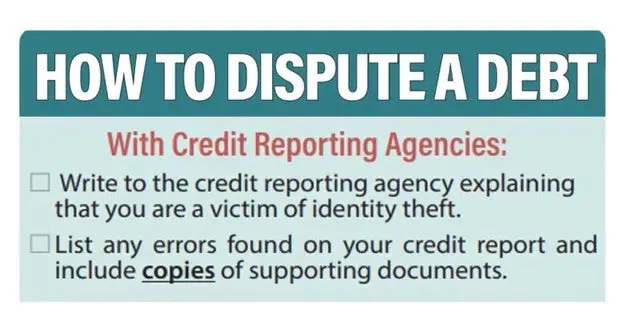
Another way to check if someone is a victim of identity theft is to review credit reports with each of the three agencies, Equifax, TransUnion, and Experian. If a discrepancy is detected, a written notification should be sent to each agency.
It is also possible to be proactive in guarding against identity theft.
“You can place a fraud alert on your credit report. It requires a business to take extra steps to verify that it’s in fact you who is applying for goods or services when that credit report is pulled,” Lybarker said. “It stays in place for one year, and all you have to do is contact one of three major credit reporting agencies, and they will notify the other two.”
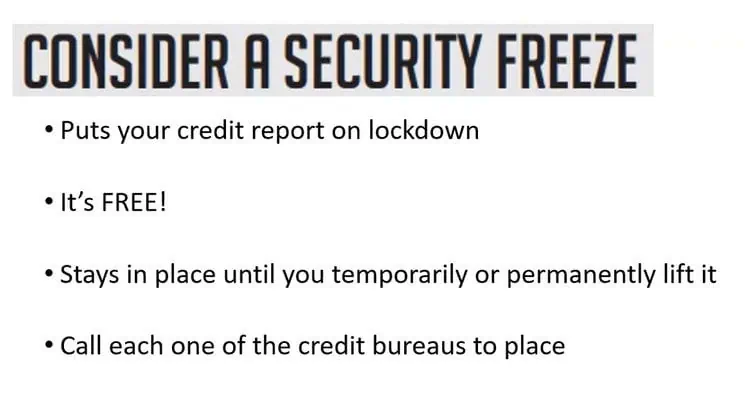
She added an even more secure step to take is to request a freeze on your information.
“It essentially puts your credit report on lockdown. So, if anybody is applying for a product or service, or the credit report is being pulled, the business will get a notification that the credit report is frozen, and so they won’t be able to access that. It is free, and it stays in place until you temporarily lift it.”
Not even law enforcement agencies are immune to fraud and scams.
The North Augusta Department of Public Safety (NADPS) has posted a message on its Facebook page alerting the public to a phone scam. The caller claims a warrant has been issued for an individual’s arrest and demands payment over the phone.
NADPS advised it will never call to demand payment and threaten arrest by phone, nor will it request personal or financial information. It also provided advice on how to deal with such a call.
If you receive a call like this:
- Do not provide any personal information
- Do not send money or make payments
For more information, or to report a call, contact North Augusta Dispatch: (803) 441-4200
Future SCDCA webinars will deal with common consumer myths and how to spot the so-called “romance scam.”
To learn more about SCDCA and register for upcoming Wednesday Webinars, visit: https://consumer.sc.gov/