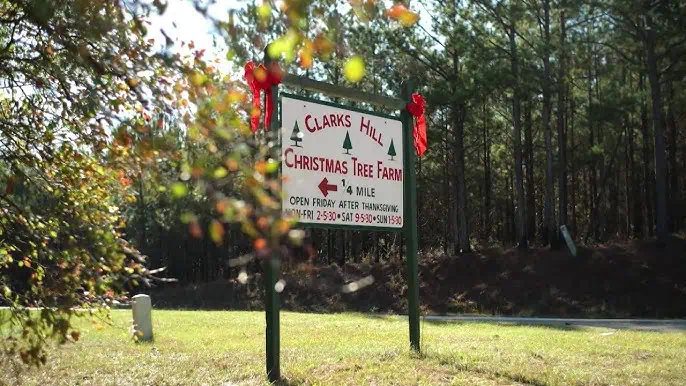
The Medcalfe family bought their Christmas Tree from Clarks Hill Christmas Tree Farm last weekend. I know this is late by American standards, but the English don’t have the Friday Thanksgiving tradition.
We have been cutting down live Christmas trees since our sons were little boys. We have always enjoyed making an afternoon of the activity, taking the dogs, drinking hot chocolate, decorating, and enjoying the scent in the house.
The Farm Bureau has just provided some economic data on Christmas tree farming. Over half of all Christmas trees are grown in North Carolina and Oregon. About 10,000 farms harvest Christmas trees, creating over $500 million in revenue. Fraser Firs, grown in North Carolina, account for over a third of all sales. Noble and Douglas Firs dominate in the western states. Leyland Cypress, the choice of the Medcalfe family, accounts for just 1% of sales.
Real trees are facing increasing competition from artificial competitors. In 2024, the U.S. imported over $500 million worth of artificial trees, mainly from China. Real trees support thousands of seasonal and full-time jobs in farming, logistics, and retail, while artificial trees support relatively few domestic jobs. The competition from artificial trees, which can last many years, has resulted in farms harvesting trees to fall by 30% over the last two decades. Real trees also provide environmental benefits such as carbon absorption, soil stabilization, and wildlife habitats.
It may be too late to change your tree decision for this year, but consider supporting U.S. farmers and jobs by buying a real tree next year.