Several years ago, I was talking to a CFO of a local company that had around 250 employees and was receiving, on average, around 15-20% increases every year on their health insurance. After an audit, we discovered several fundamental improvements we could make to improve both the quality of the plans and contain costs.
One of those fundamental improvements was providing thorough Medicare consulting for both the employee and the company. Five years later, we were able to deliver on both of those goals, saving the company over half a million dollars in premiums and improving plan designs.
In Augusta and across Georgia, more people are working later into life, and more employees are reaching Medicare age while still employed. That’s why Medicare consulting is quickly becoming one of the most valuable “hidden” benefits an employer can build into a group health plan. Not as an add-on. Not as a helpline, employees have to hunt down. But as an integrated service that supports employees and protects employers from unnecessary costs and confusion.
Medicare Isn’t “Automatic”—It’s a Major Decision Point
A common misconception is that Medicare is simple: you turn 65, sign up, and you’re set. In reality, it’s one of the most decision-heavy benefits transitions most employees will ever make.
Employees must choose when to enroll, what parts to enroll in (A, B, D, and possibly supplemental coverage), and how Medicare interacts with their current group plan. They may be deciding while juggling other life changes—downsizing, retirement planning, or caring for a spouse. And if they guess wrong, they may face late enrollment penalties, unexpected out-of-pocket costs, or gaps in coverage.
That’s where Medicare consulting makes a real difference: it brings clarity, structure, and trusted guidance at exactly the moment people need it most.
Why Employers Benefit When Employees Get Medicare Right
Medicare consulting isn’t just employee support—it can also reduce risk and control costs for the employer.
When employees stay on a group health plan longer than necessary, it can increase overall plan costs. If Medicare is a better fit for that employee, and they transition at the right time, it can help employers manage premium pressure and claims experience. In some situations, helping Medicare-eligible employees make smart transitions can be part of a broader strategy to keep benefits sustainable for everyone.
Just as importantly, it reduces HR burden. Medicare questions often land on HR teams—especially around enrollment periods, retirement paperwork, or spouse coverage. But Medicare
isn’t HR’s specialty, and it shouldn’t have to be. Built-in consulting gives employees a dedicated expert and gives HR a professional resource to refer to confidently.
Augusta’s Workforce Makes This Even More Relevant
The Augusta market includes a broad mix of healthcare workers, education professionals, manufacturing employees, and government-related roles. Many households include spouses of different ages, second careers, or employees delaying retirement because they enjoy working or need continued income.
That mix creates real complexity around Medicare timing and coordination of benefits. Employees may not know whether Medicare should be primary or secondary. They may not realize that enrolling in Medicare Part B while still working can sometimes be unnecessary—or that delaying Part B without the right type of coverage can create penalties later.
Medicare consulting helps employees make informed decisions based on their specific situation, rather than advice from friends, online forums, or confusing mailers.
A Benefit That Builds Trust
Employers spend a lot of time and money building benefit packages that communicate “we care about you.” But when employees hit a Medicare transition with no guidance, it can feel like they’ve been left to figure out something critical on their own.
Offering Medicare consulting sends a powerful message: we support you through every stage of employment—not just when you’re young and healthy.
It also helps employees feel confident, reduces stress, and prevents costly mistakes. That leads to better satisfaction, stronger retention, and smoother retirements.
The Bottom Line
Medicare consulting is no longer a “nice-to-have.” In a market like Augusta—where many employees are approaching Medicare age or supporting family members who are—it’s a practical, high-impact benefit that supports people and protects the plan.
When Medicare consulting is built into group benefits, everyone wins: employees get trusted guidance, HR gets relief, and employers gain a smarter, more sustainable benefits strategy.
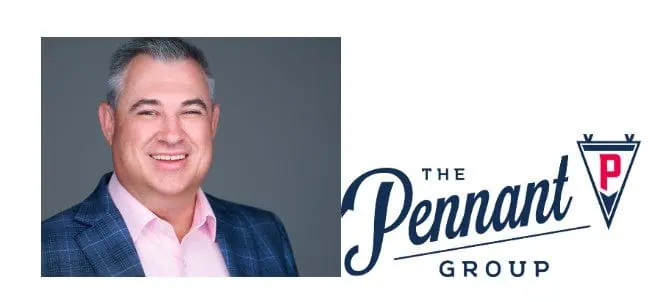
Glenn Wilkins is Vice President at The Pennant Group, bringing more than a decade of experience helping businesses and individuals navigate an ever-changing health insurance landscape.
Medicare Questions? Email glenn@thepennantgroup.com or call 706.723.8429