The latest numbers are in. Events large and small generated $45 billion in visitor spending for the Peach State, with a nice bump for Augusta’s economy as well.
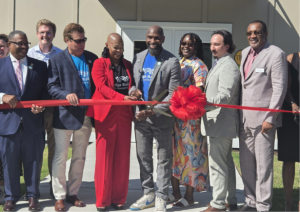
Destination Augusta released the report during the Nov. 5 “Feel Good City” celebration. About $890 million in visitor spending came in our area.
That breaks down to:
- $240 million from food and beverage
- $196 in lodging
- $195 million from entertainment and recreation
- $125 million in retail and shopping

“We’ve consistently blown up our tourism economy over the last three or four years,” Bennish Brown, President and CEO of Destination Augusta, told ABD. “We still are inching closer and closer every year to that $1 billion visitor spending mark. It’s also good news that we continue to do this as an integrated industry that’s working together. We’re very collaborative. None of the accomplishments we have would take place if it were not for a lot of hands.”
Brown said the tourism industry remains the third-largest employer in Metro Augusta. While the $890 million is good for business owners and tourism industry employees, it also benefits local government coffers.
“Those spending at our businesses, spending in our community, generate tax dollars that really do go towards helping pay for other services that we normally associate with local government. They’re able to use some of those tax dollars in ways that the city helps with residents, and it does help reduce some of the tax burdens on households here,” he said.

Much attention is given to the impact of the major annual events, like The Masters Golf Tournament, Ironman Triathlon, and the Nike Peach Jam held in North Augusta. However, conferences play a significant role in the health of Augusta’s tourism industry. They brought 179,000 people with a $50 million contribution to the bottom line.
“That is a big part of our tourism dollars. The largest one that most people would know about is the TechNet, the AFCEA TechNet, that brings about 6,000 people here for a solid week. And it is the most impactful event that we have among our conventions,” said Brown.
Brown credited Destination Augusta’s marketing team with getting out the word about what Augusta has to offer to meeting planners, convention organizers, and people looking for a destination.
In the past year, nearly four billion people discovered Augusta through ads, articles, and social media posts, and through trade shows and the website, www.visitaugusta.com.
“When you grow the exposure, you grow the opportunity or the probability of somebody making a decision that Augusta is the place they want to they want to see and explore,” Brown explained. “We talk about a funnel. In the funnel, first, people have to be aware of your destination. The funnel obviously continues to go down until they make that final decision.”
The Destination Augusta report followed a similarly strong report on the health of Georgia’s tourism industry.
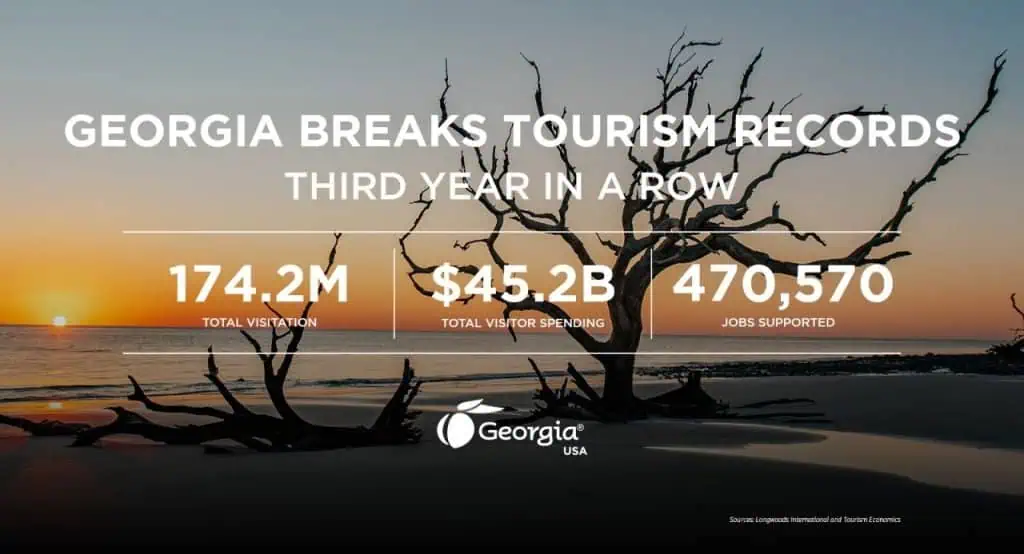
Georgia broke tourism records for the third year in a row. In 2024, 174.2 million domestic and international guests spent a record $45.2 billion across the state. That supported more than 470,000 jobs.
“Tourism is the front door to opportunity in Georgia, driving new investment, supporting jobs, and strengthening the very communities that help our state succeed in business and economic growth. These numbers highlight this reality and are a motivating factor for our team every day,” said GDEcD Commissioner Pat Wilson in a new release.
What may make the latest report from Destination Augusta all the more impressive is that it encompasses the months when the region struggled to recover following Hurricane Helene. Cancellation of the Ironman Triathlon and other events caused a loss of about eight million dollars in tourism spending.
Brown said the way Augusta and the surrounding areas fought hard to recover points to the resilience of the people.
“I’ve heard the stories about Augusta’s resilience. Now, I’ve lived here seven and a half years, we do keep fighting back, and it’s really a part of the Augusta story,” he said. “We keep growing. We keep climbing to that next level.”
Brown said Augusta is currently in a period of what he called “construction disruption,” but big projects like the new arena, renovations to The Patch golf course, and road construction projects have the area poised for even more growth.
“There is a transformational, physical change that’s going to be happening in Augusta that will see these changes in the next two years,” he said. “I made the comment that some of the things that are coming online are even going to bring more international attention to us. I will stand on that. We are going to be in a totally different orbit.”