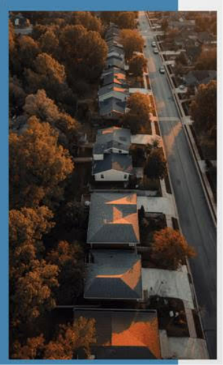
According to AU business professor Dr. Rick Franza, Augusta homes cost 16% less than in Georgia and 32% lower than the national average. No surprise that housing affordability was at the heart of a recent panel discussion.
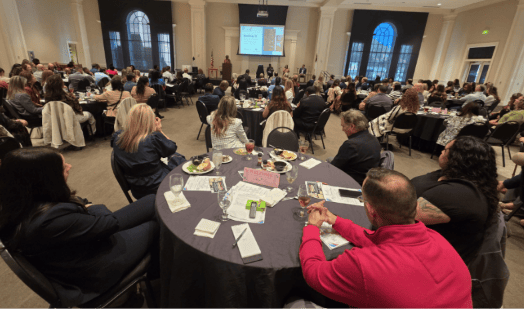
“Rooftops and Regulations: What’s Shaping Home Building in the CSRA” was sponsored by the Augusta Metro Chamber of Commerce. Featuring panelists Tameka Allen, Augusta Administrator; Tiffany Heitzman, Executive Officer, Home Builders Association Greater Aiken-Augusta Region; and Mark Ivey, Owner, Ivey Residential, the discussion focused on challenges from each perspective.
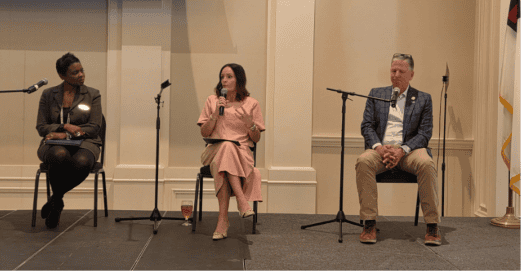
One concern for all three panel members was the call for construction of affordable housing.
“It’s not necessarily about affordable housing. It’s about quality housing that any of our constituents can claim to be homeless,” Allen explained. “It’s about making sure that we have vibrant neighborhoods and vibrant communities and making sure that the city does what’s necessary to ensure that we have some level of economic growth.”
Heitzman and Ivey agreed an obstacle for builders is the regulations, beginning with getting land rezoned. Ivey also said affordability can mean different things to different people.
“So, you will be seeing marketing material coming out from the State Home Builders Association coining a new term called essential homes,” he said. “Basically, those are homes that the people who work in the community can afford. Your teachers, your young professionals, firefighters, EMS, police, government, city employees, those essential people in our community, homes that they can afford.”

Municipalities across the CSRA, both Georgia and South Carolina, are updating their zoning regulations or building a new comprehensive plan to follow into the next decade. Each has posted a request on their website calling for public input. ABD asked why that public input is important.
Allen said that, while there have been updates and changes a bit at a time, Augusta has not updated the entire zoning ordinances since 1963. She said the call for public participation is an effort to be transparent.
“I believe in the community having a say,” she said. “I’m not saying we’re going to always agree with what the community says, but I do think the community needs to be at the table to make those statements. We have done everything we possibly could, even extended the agreement with our consultants to allow for additional public comment.”
Heitzman agreed, adding it is not possible for everyone to attend public meetings, but they still can participate in the process.
“You know, if you don’t speak up, it’s kind of like if you don’t go vote, you can’t really say anything,” she cautioned. “It’s kind of the same thing. We’re given the opportunity for the public, as a lot of the municipalities offer online comments that you can provide, so they really do try to make it as impossible as possible for you not to provide feedback.”
Another issue Heitzman and Ivey face is finding a trained, qualified workforce.
“Everybody wants to fix it. Everybody’s working on it. Everybody’s trying to do it,” said Heitzman. “I will say we are very active in that because the trades, over the next 10 years, 2.4 million jobs in the construction industry will be vacated, aged out, retiring.” She acknowledged some work can be done with AI and technology, but not all of it.
“There are going to be jobs, plumbing and heating and air and things like that that AI can never replace. So, we are really dialed in with all of the school districts locally here,” she said.
Ivey said he recently toured the Caterpillar plant near Athens and found that it is not only builders struggling to find skilled workers.
“Even manufacturers are having the same issues. He’s struggling to find people to fill positions at the plant, and it’s all positions,” he said. “So, they’re just like we are. They’re engaging with high school students. Workforce is an issue across the country with a lot of different industries.”
Ivey said that while 97% of welding is being done by robots, the plant still employs 250 welders, demonstrating the ongoing need for a trained workforce.