
Profit and Loss Statements, Balance Sheets, and Cash Flow Projections. Understanding those documents can make or break a small business. However, some owners can find the amount of documents and numbers daunting.
SCORE’s Piedmont office sponsored Small Business Financials 101, a webinar breaking down the types of financial documents and why each matters. Led by Earl Gregorich, the Marketing & Outreach Specialist for the U.S. Small Business Administration (SBA) in Duncan, SC, who said keeping good financial records is vital for many reasons.
“You got to file taxes, you got to make decisions,” he began. “You have to be able to know the numbers in order to make wise decisions so that you can make better profits, make better revenue choices, and revenue generation choices. It also allows you to determine whether or not you are doing things as you should.”
Focusing first on the income statements, Gregorich called the profit and loss report the grade card of the business because it allows owners to track the trends within their business.
“Are we paying more rent than we had over the past couple of years? Are we increasing our revenues? If so, where are we increasing our revenues? Which of the revenue categories are the most profitable revenue categories? What is it that is causing our profits to go down? What expenses are pulling from our profitability and so on? All of that is available in this document,” he explained.

Turning next to the balance sheet, Gregorich said the timing of the document is critical. A balance sheet printed one day is out of date the following day because the business has new income or payments made.
“The balance sheet is good at getting a snapshot of where your business is. It’s also the very first document that most lenders will ask to see in the event that you walk into a bank, and you ask for a loan,” he explained. “The reason for that they can do some pretty quick analysis. So, this is a document that you’ll need to know about specifically if you’re going to be going forward for funding.”
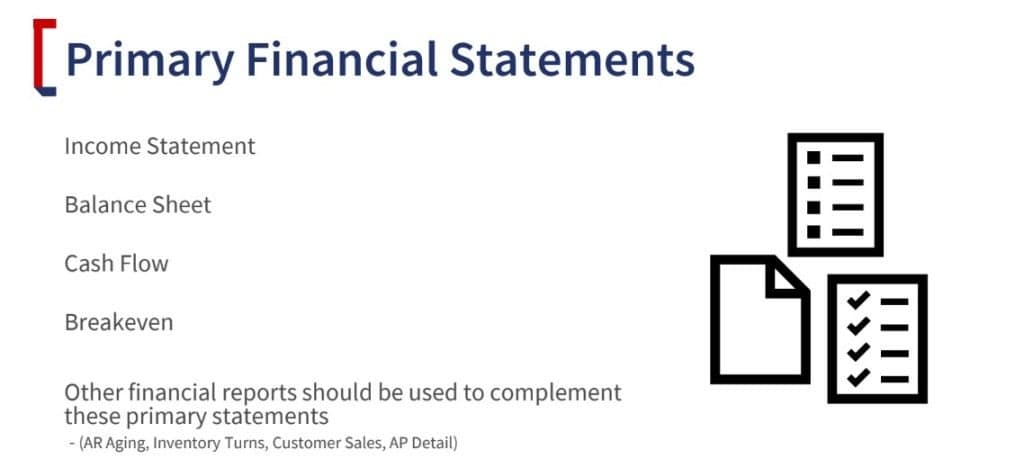
Finally, Gregorich walked through the value of the cash flow document. Using the old adage “Cash is King,” he said, tracking cash flow is important to the day-to-day operations. Running out of cash can spell the end of a business.
“On the balance sheet, double check your cash balances against what your financials say that you have because if they’re two different numbers, you’re missing out on either collecting or recording some cash or possibly spending cash and not recording it as well,” he said. “Unfortunately, a lot of your online programs don’t, in my opinion, give you the detail that you need to really do a good job of tracking cash. So, I’ve always resorted to a secondary spreadsheet that allowed me to see cash and project cash.”
Gregorich acknowledged that, at the end of the day, profitability is the goal for all business owners. However, many entrepreneurs took the leap into business ownership for another reason.
“Most entrepreneurs are in this to improve their community. They’re in this for a better lifestyle. They’re in this to improve not only their family, but the families around them,” he said. “So, I do especially encourage you to find those things that recharge the batteries, make this worthwhile for you to come in. It’s not always about money. It’s more about the meaning that you make in people’s lives around you.”
SCORE Piedmont is one of six offices in South Carolina, including one in Aiken. Learn more at: https://www.score.org/greateraiken.