Dr. Rick Franza, Dean of the Hull College of Business, discusses a different, timely business topic each Monday in this column. This week, he talks about the impact of the TechNet cyber conference on the CSRA’s economy and status. The interview has been edited for clarity and impact.
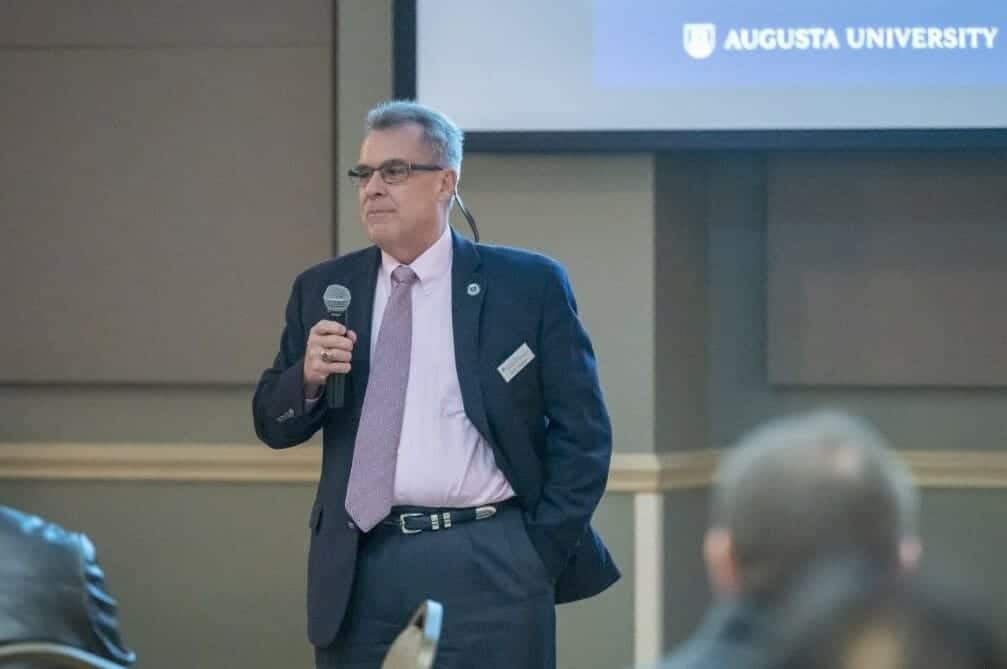
ABD: All last week we heard about the TechNet Cyber conference taking place in downtown Augusta. Please explain the purpose of the conference. It sounds like a geeky Army thing.
Rick: It probably is geeky, but it’s more than Army. It’s sponsored by Armed Forces Communications and Electronics Association (AFCEA). It’s for all Armed Forces and agencies like the NSA that are involved in communications and intelligence. Civilian industries, the government, and academia are all involved.
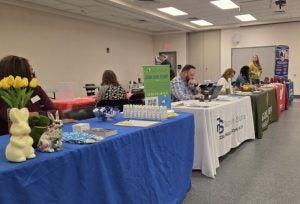
There are seminars, lots of networking, workshops, and training, to create open lines of communication between the military and civilian sectors. There are tons of booths. It’s an opportunity for businesses who want to sell to the government. Augusta University and the Cyber Center had a combined booth there – sometimes it’s easier connecting with soldiers at something like this than at the base. We were promoting our MBA and project management programs and got a lot of interest from local Army guys.
ABD: What kind of impact does TechNet have on the Augusta area?
Rick: There are multiple ways. It brings a lot of people to the area. This year, it was back to normal after the pandemic. There were at least 5,000 people here from all over the country. They used hotels and restaurants in the area, so that’s lots of dollars in economic impact.
It’s also a super branding opportunity for the CSRA in general, as a growing home for cyber. And for Fort Gordon, the more companies they get to bid on work, the more capabilities they’ll have and they’ll get lower prices. They’re trying to inform contractors of their needs and it allows them to discuss their challenges. The cycle time for technological development in the military has to get shorter to enable the tech to get to the field more quickly.
There’s also stuff we don’t think about at the state and local government levels. There are super big dollars generated by bringing defense-type businesses here. There’s the short-term economic impact of the TechNet conference here, but there are also medium- and long-term benefits from companies and entrepreneurs moving here.
ABD: With both the Signal Command and Cyber Command at Fort Gordon, we hear a lot about cyber security. How important is that?
Rick: There may not be anything more important. When you talk about cyber security you can go back to the Native American code talkers in World War II. It’s all about keeping your information secure. In order to pull off military maneuvers, there has to be secrecy involved. With more digital devices in use, there’s a premium on the security of that data. Warfare goes beyond bombs and bullets.
ABD: Often, products and technology developed for the military, use trickle into the civilian population – penicillin and M&M candy in World War II are examples of that. Will some of the cyber techs developed for the military find their way into the public?
Rick: The military is becoming much more conscious of transferring technology into the public sector. It won’t be a big leap for the technology developed by the military for cyber security to get into the financial security industry, for example. Protecting information is protecting information, no matter what it is.
ABD: Can we expect TechNet and the cyber industry to grow here?
Rick: Dr. Brooks Keel (President of Augusta University) has talked about a cyber tsunami here. A tsunami starts with small breakers against the coast. I think we’ll get that cyber tsunami, but it’s an evolutionary process to get to it. Things like TechNet are part of that.
Covid impeded our building up of cyber here, but TechNet this year is a big indicator that we’re back on track. The momentum is picking up again.