
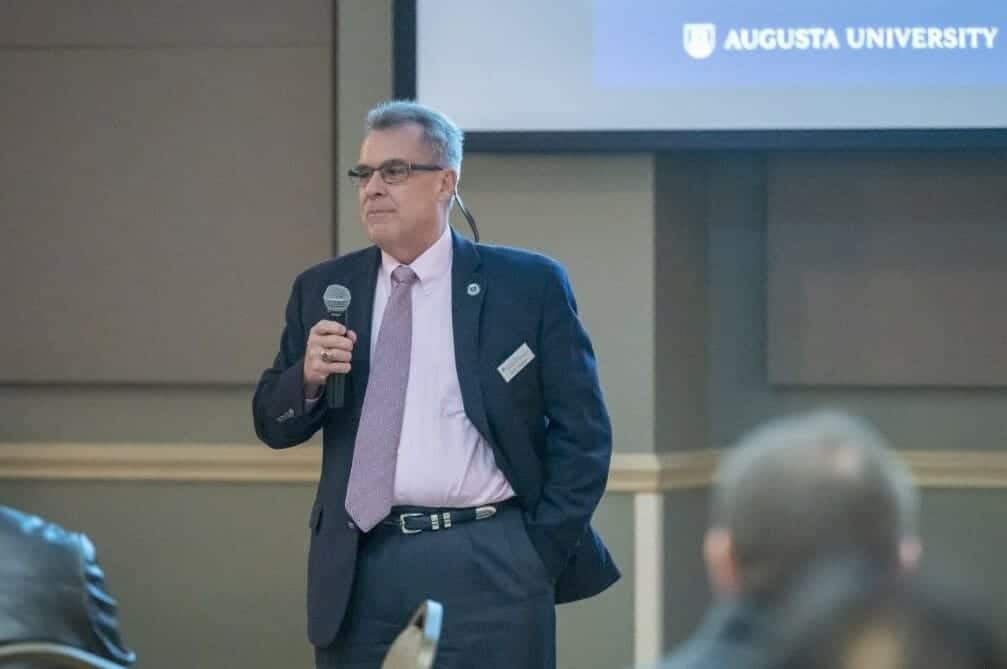
Dr. Rick Franza, Dean of the Hull College of Business, discusses a different, timely business topic each Monday in this column. This week he talks about one of the important aspects of running a business, the second of a two-part series. The interview has been edited for clarity and impact.
ABD: Last week we talked about how to operate the front of your business, which involves customer interaction. You left us with a teaser that this week we’d explore the back of the store, which requires more expertise. Explain what the back of the store is and why it takes more expertise.
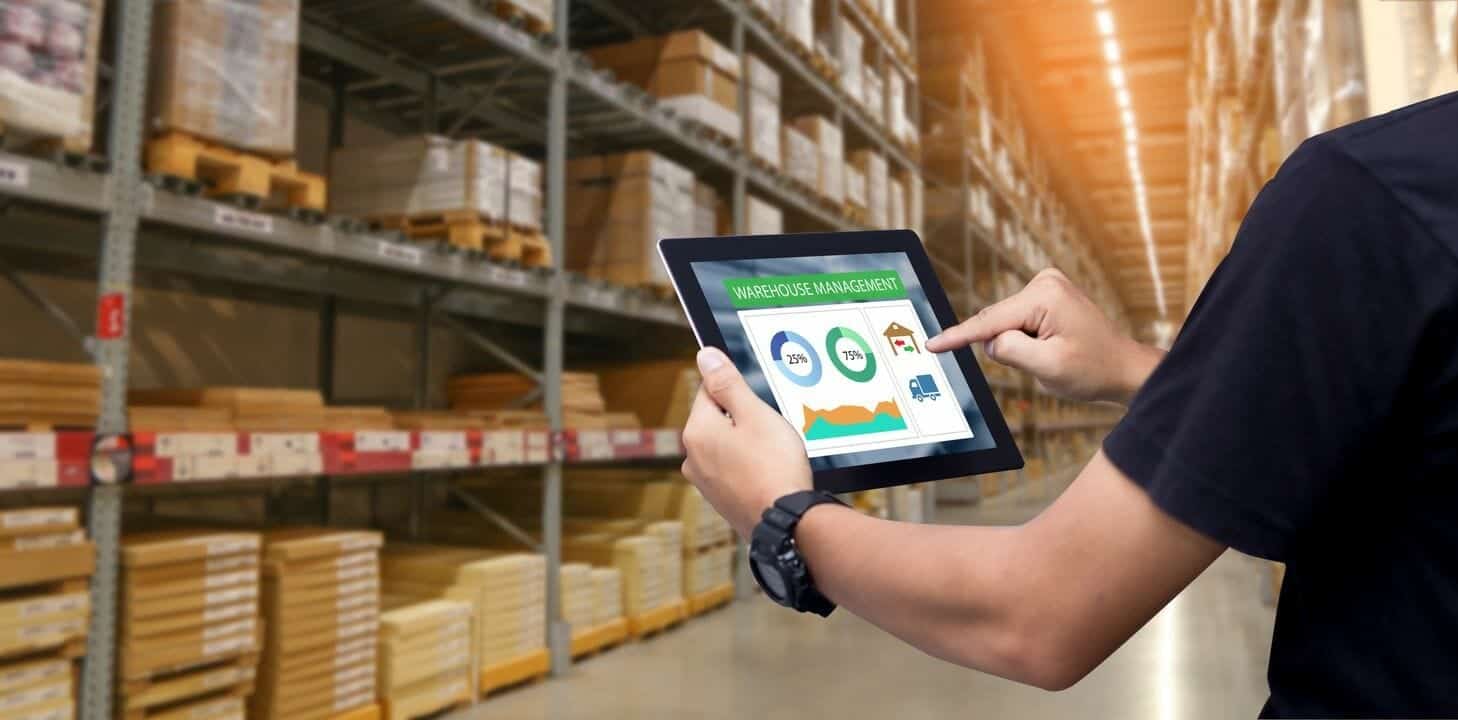
Rick: In the back of the store you have finances, managing your resources, the office work, the supply chain pieces of how you get the items that you need and to the person who needs them. Your goal is efficiency: How do I make the processes going on behind the scenes more efficient?
In the front of the store, you can’t just do things for the sake of efficiency because the customer experience is affected. The people working behind the scenes don’t have to be the nicest but they do need to be efficient in getting things from point A to point B. You can just get things done because the customer isn’t involved.
ABD: It seems like often, especially in smaller businesses, the front of the store gets more attention. Should that be the case?
Rick: Businesses love to market because attracting more customers is sexy. The back office isn’t sexy, but you get much more benefit from increasing the capacity of the back office.
It’s very owner-dependent where the emphasis is, of where the owner is more comfortable. It’s important that if a person is more comfortable in the front of the store, they have someone more comfortable in the back. The key thing is that nothing falls in between the two – the front of the house and back of the house have to communicate.
ABD: You’ve mentioned processes and efficiency as keys to the back of the store. What are these processes and how are they important to a business’ success?
Rick: It’s basically how you manage your capacity so that you have enough to meet demand. The big struggle when people start a business is that they don’t think about their processes. Then as the business grows, it reaches a point where they need more capacity but they haven’t put a lot of time into their processes to be efficient. That’s where the biggest problem always is.
It’s worth looking at your processes to see where your bottlenecks are. Bottlenecks happen when a part of the process has more demand than capacity. That leads to longer wait times which leads to more costs. It could mean that you need to increase capacity or add another person or get a faster machine.

Or it could simply mean moving your demand. That’s what restaurants have done with early bird specials. They realized that if everyone comes in between 6 and 8, they can’t handle the demand, so if they reduce prices to 5 they can move some of the demand to between 5 and 6. Bars do it with happy hours, theaters with matinees, car rentals, and business hotels with weekend rates. You have to do your best job of balancing capacity and demand.
ABD: What are ways a business can begin improving its back-of-store processes?
Rick: Look for things in the process that need improvement. There are books and YouTube videos that offer good advice. And it’s always good to get a fresh set of eyes on your processes. One of the common refrains is “we’ve always done it this way.”
You can hire a professional to look at your processes or if you don’t have the money, one of our MBA classes has projects for the spring and summer semesters that looks at business processes and how to improve them. If a local business wants to reach out to us, we can consider doing a process improvement project for them. It’s a good practical experience for our students and free labor for the company. You can contact me about it at rfranza@augusta.edu.