While Aiken Technical College is on the frontline of workforce development with programs designed to upskill students for immediate placement, USCA is playing the long game. The largest employers in the County are helping out.
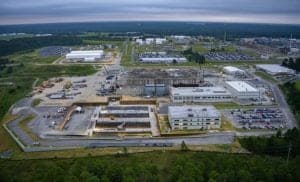
The recent announcement that the Savannah River Plutonium Processing Facility (SRPPF) has been greenlit to begin construction is just the latest major project announced in Aiken County.
At USCA, leaders have watched demand grow for trained personnel, particularly in the engineering field.
Dr. Bethany Fralick in the USCA Department of Computer Science, Engineering and Mathematics said the first year of a four-year program was launched in 2016. To achieve that accreditation, USCA was required to create an engineering advisory board.
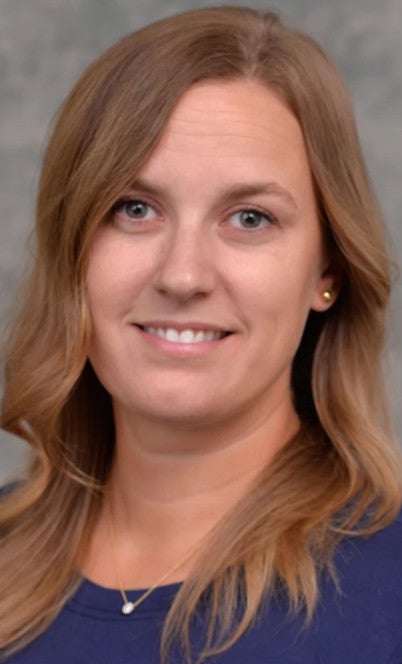
“Professionals all across the CSRA sit on our board and meet with us every semester and give us feedback about what they need in their industries, what qualities they need in students,” she explained for ABD. “Then we have our benchmarks and expectations of what our students will meet three to five years after graduation, and so then they give us feedback.”
Industries represented on the advisory council come from some of the county’s largest employers:
- Rolls Royce
- Amentum
- SRNL (x2)
- SRMC
- SRNS (x4)
- Bridgestone
In order to graduate, students must complete a senior capstone, a project that allows them to demonstrate they have the knowledge and skills needed to complete their education.
The projects are industry-sponsored, with the advisory board designing projects based on issues they are currently facing. The students work in teams to solve the problem; it is a nine-month-long process.
“We try to create sort of this mentorship within our four years of our curriculum. But I think the big bragging point is we figure out what industry needs,” said Fralick. “We tailor our programs so that our students, when they graduate, can get those jobs. And because we have this advisory board, our students are well aware of internships, and the people in the industry know about our students.”
Last year, USCA recognized a growing demand specifically for electrical engineers. It created the Bachelor of Science in Electrical Engineering (BSEE), focusing on teaching students how to design, test, build, and maintain electrical and electronic systems. Its first cohort began with the Fall 2026 semester.
Fralick chairs the new program.
“All these programs have come straight from industry, every single one, electrical especially because it is a power systems electrical, not the typical electrical engineering that you would see at a normal college or university,” she said. “It is hands-on, and it is 100% requested by industry. So as soon as these students graduate in May of 2030, they’re all going to get snatched up across the board.”
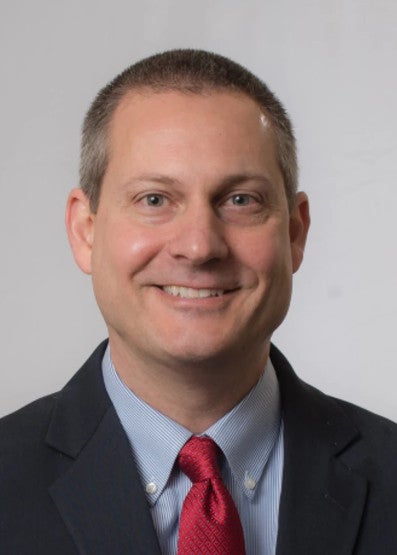
Corey Feraldi, director of the Department of Career Services, said USCA monitors industry growth across the region, both new industries moving in and existing companies expanding.
“When a new industry comes in, the very first thing we want to do is connect them with Dr. Fralick so they can understand the program setup, and they can tell us a little bit about their needs,” he said. “Pretty soon we’ve got a couple of interns that are working at a place, and then new graduates are employed there. We want to make that connection and let them understand everything about the program and let them tell us what their needs are.”
Another important collaboration is the one that exists between USCA and Aiken Tech. Students can be trained with skills to immediately become part of the workforce. Or they can choose to continue their education at USCA.
“We have a lot of articulation agreements for transfer,” said Chad Crumbaker, Vice President of Academic Affairs and Workforce Innovation at Aiken Tech. “Students can transfer, and it goes onto a bachelor’s. USCA also offers master’s degrees, and those are really good opportunities. All that happens right inside Aiken County, which is a great thing for our community.”
Expanding engineering programs and cultivating industry relationships is part of USCA’s strategic plan. There are five priorities guiding the university into 2030:
- Deliver a Flexible and Relevant Curriculum
- Address the Pressing Needs of the Region
- Reimagine the Composition of the Student Body
- Enhance the Campus Experience
- Bolster a Sustainable Foundation
The strategic plan is available at www.usca.edu/media/usca/about/MAR-0124-Strategic-Plan-Report.pdf.