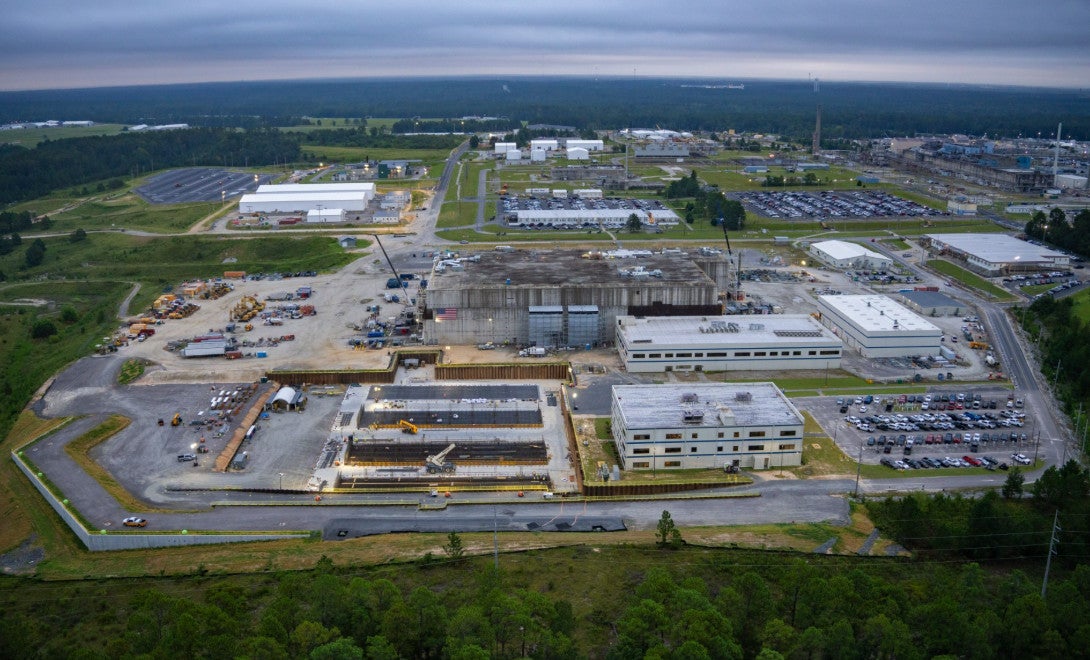
A crucial step forward has been taken in one of the largest missions underway at the Savannah River Site (SRS).
The National Nuclear Security Administration (NNSA) has approved Critical Decision (CD)-2/3 for the Savannah River Plutonium Processing Facility (SRPPF). That clears the way for SRS to move forward with full-scale construction on the facility, which will support NNSA’s plutonium pit production.
In the news release announcing the approval, Jeff Griffin, President and Chief Executive Officer of Savannah River Nuclear Solutions (SRNS), the management and operations contractor for the site, said the achievement will have a tremendous impact on the site and across the region.
“The construction of SRPPF and its role in modernizing America’s strategic deterrent is a top priority for our government. We recognize the urgency, and we are working together with our NNSA and subcontract partners to meet our commitments and deliver this project for the nation.”
Pits are the radioactive plutonium cores that are the trigger for nuclear weapons. Once fully operational, SRPPF is tasked with creating 50 new pits per year.
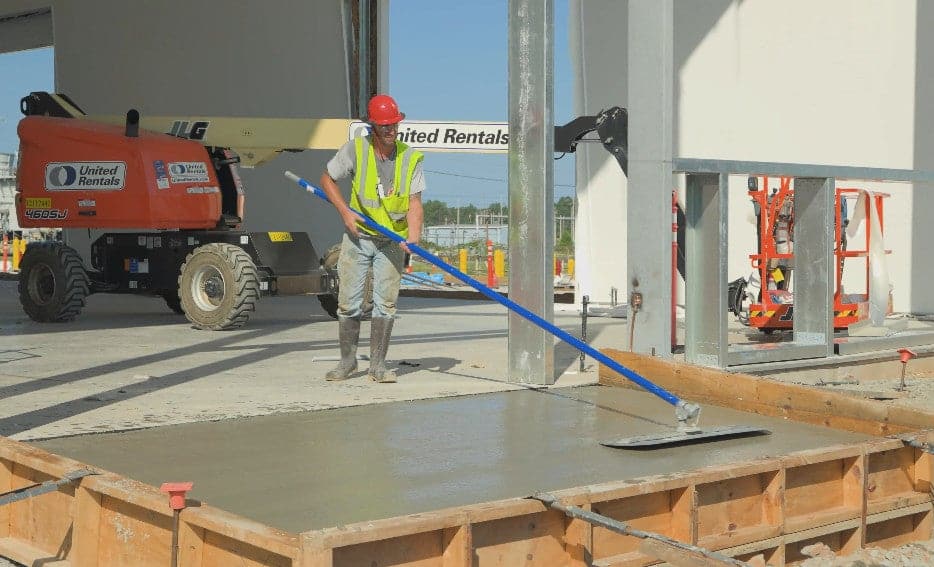
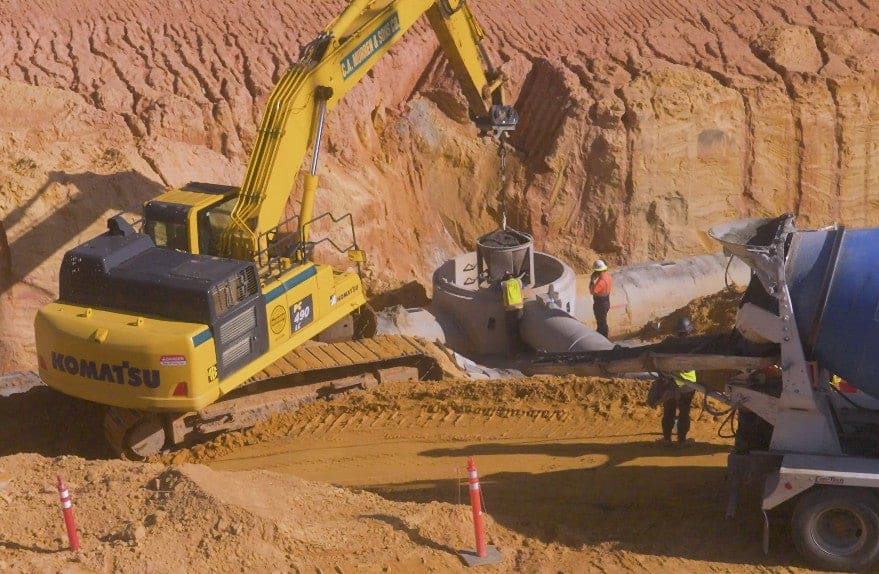
The NNSA approval will mean a significant increase in construction activities for the project, which will need more than 3,000 new workers at peak construction. That will ripple across all educational institutions, including Aiken Technical College (ATC), as they gear up to produce a trained workforce.
“I think it’s a huge moment for us to really continue our partnership with what we do with SRS, and particularly in our apprenticeship programs, and our partnerships,” Chad Crumbaker, Vice President of Academic Affairs and Workforce Innovation, told ABD. “Obviously, we don’t know all the things that they’re going to need from us in terms of how we upskill or provide training and education degrees to help with SRPPF, but we work closely with them to try to figure out, you know, the ways that we can build that.”
Crumbaker said they have been working in conjunction with the site to teach radiation protection technology, which is an associate degree program. ATC also began a construction pre-apprenticeship to introduce individuals who might consider it as a career path to what to expect.
“Getting fundamental skills, develop critical thinking, and problem-solving create maintenance opportunities so the students are ready,” he said. “We do a lot in industrial maintenance in addition, so we’re training that workforce. We obviously have a lot in welding, and those jobs are needed. We’ve just expanded our welding lab. I think we’re at 56 booths now.”
Accelerating the SRPPF construction will complement advanced work already underway on the site.

Development of the High-Fidelity Training and Operations Center (HFTOC) began in late 2025. The center will be a non-nuclear operations training facility as part of the pit production mission.
While ATC can train a workforce that can go directly to begin working on site, it can also funnel students wanting a four-year degree to USCA.
“We have a lot of articulation agreements for transfer, and so students with us can go to those programs,” said Crumbaker. “USCA also does Masters degrees, and those are really good opportunities. All that happens right inside Aiken County, which is a great thing for our community.”
When it is fully operational, the SRPPF is expected to employ 2,000 people in permanent positions.