Almost $15 million down and about $1 million to go. With your help, construction of a new Center of Hope can begin. The overall cost of the project is $15.7 million. To meet its goal, the Salvation Army has started the public phase of its Standing Together – Restoring Hope capital campaign.
The Augusta chapter wants to replace the existing center, currently on Greene Street. It has been in use since 1974. At that time, homelessness in Augusta was predominantly a male issue.
“Now we have more women and children in the shelter than men. We have more employed people than unemployed people staying in a homeless shelter,” Derek Dugan, Director of Development, explained for ABD. “The new shelter will be able to accommodate more families, to be a safe, welcoming place that people will feel comfortable going to get the assistance.”
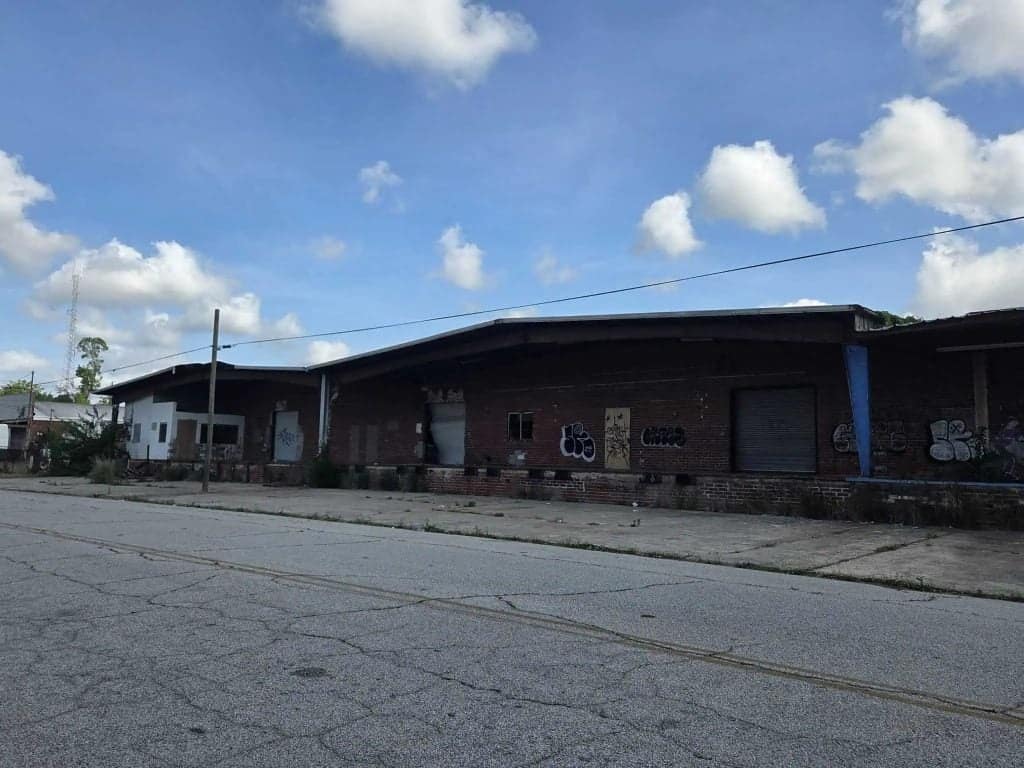
ABD first told you in May 2025 about the plan to build a new Center of Hope on land near the Augusta fairgrounds. The 3.32-acre site, combining 301 and 303 Hale Street, is the former home of the Murray Biscuit company (photo above).
“This location was picked for its proximity to the Master’s Table soup kitchen, to Augusta Rescue Mission, to Christ Community Health Care, and all of the services are within a mile and within walking distance of this new location,” said Dugan. “In addition, it’s very close to Gordon Highway and bus lines, so it checks a lot of the boxes for people in need of assistance to be able to reach us.”
Initially, there was consideration given to building a two-story complex. Dugan said they decided a single story would be more conducive to the goal of providing individual sections with dedicated entrances. The property is also large enough to allow for expansion if needed in the future.
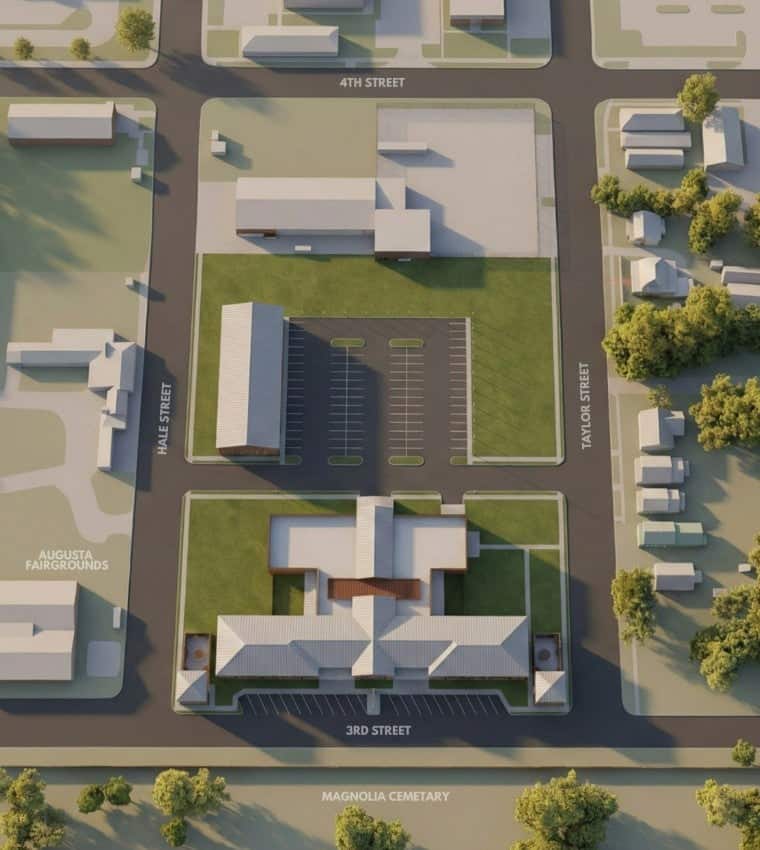
“If we can continue to expand, there is room to expand if needed. And that’s why the one-story structure was important, too. So, we bought the land and designed this building with that in mind,” he said.
The new center will provide separate emergency shelter pods for men, women, and families. Each will have its own entrance. There will also be separate facilities for the meals program and the daily soup kitchen.
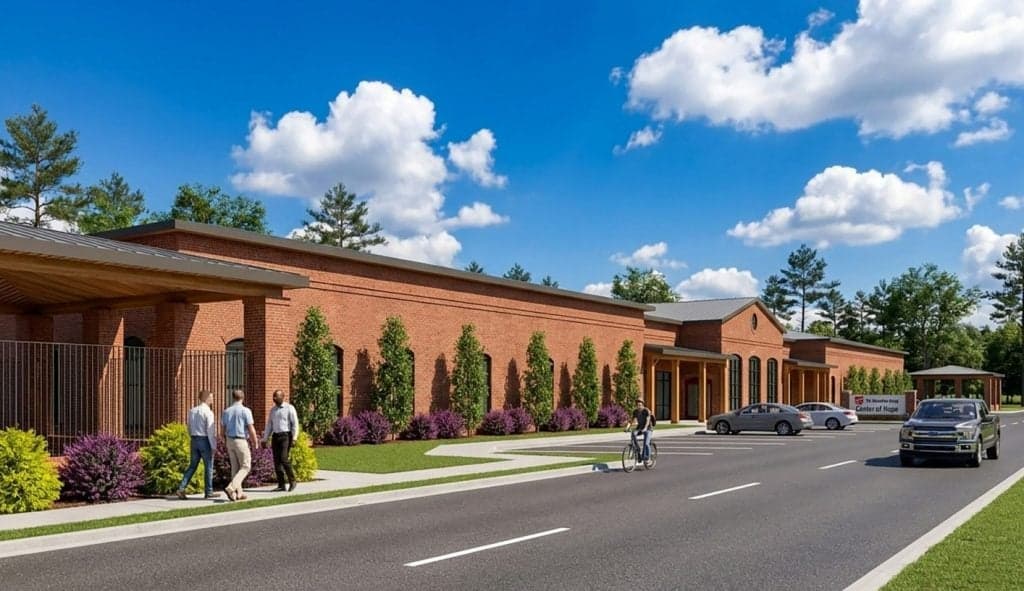
Dugan said the design removes the need for individuals and families to line up to check into the shelter in the afternoon.
“If they’re not comfortable lining up with strangers to come and shelter, then they’re not going to come in the shelter,” he said. “If they come into the shelter, the case workers can work with them to get them out of homelessness.”
That, he added, is the ultimate goal. Since creating the partnership with the Marion Barnes Homeless Service Center, more than 400 people in Augusta have transitioned from being homeless, to staying in the center and then to full-time housing.
“There are more women and children in our shelter, in the Center of Hope, right now and for the last year plus, than there are men. We average 14 children a night in the shelter. Two-thirds to three-quarters of the people who stay in the shelter are employed. So, the face of homelessness has changed dramatically.”
More information, or to make a contribution, visit: www.restoringhopeaugusta.org/