We’re #1! When we say that in Georgia, it’s usually about sports teams like the Braves’ dominance in the NL East or the Georgia Bulldogs annually contending for football titles.
In 2026, Area Development magazine ranked Georgia the #1 state for business for the 13th year in a row. In addition, we recently learned that Georgia is also the home of the #1 business in the country using one very important metric.
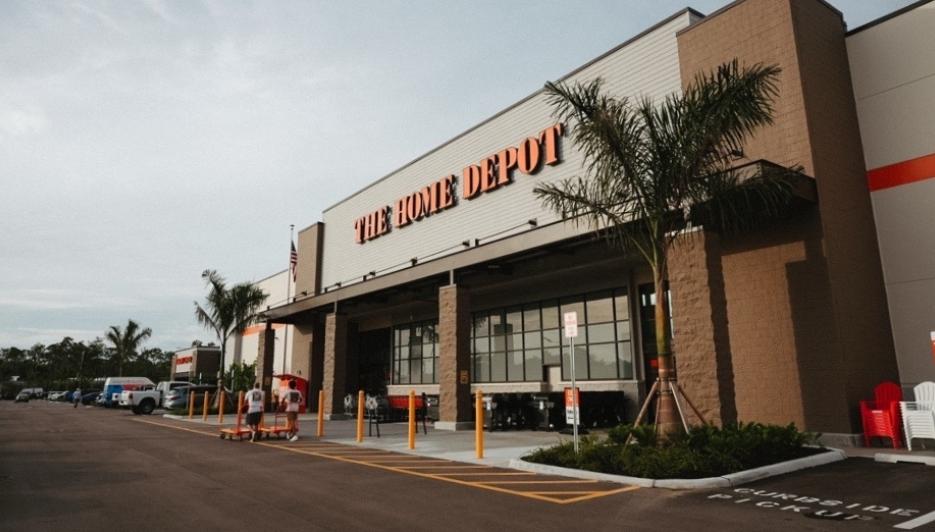
The Home Depot (traded on the New York Stock Exchange (NYSE) under the symbol HD) is the highest-returning U.S. stock in the forty-five years since its Initial Public Offering (IPO) on September 22, 1981. If you had invested $1000 in The Home Depot at its IPO and reinvested the dividends you collected along the way, you would have $16 million today. As a point of comparison, if you had invested $1000 in Apple’s IPO in late 1980, you would have $4 million. While Apple still provided an outstanding return, it pales in comparison to a similar investment in The Home Depot, which today has a market capitalization over $285 billion and annual sales of approximately $165 billion.
When The Home Depot (HD) initiated its IPO, it was merely a 4-store hardware chain. So, given its humble beginnings, how has it become the company with the highest-returning stock over the past forty-five years? There are a multitude of reasons, and while some of those reasons could be ascribed to luck and circumstance and therefore difficult to replicate, many of those reasons can be adopted by most companies and help them become more successful. I will focus primarily on the major reasons for HD’s success that apply most broadly.
- Lesson 1: It’s All About the People…HD cares about two categories of people: its associates and its customers. There is a symbiotic relationship between how employees (associates at HD) are treated and how a workforce (associates) treats its customers. Employees who feel respected, supported, and valued project their positive emotional state onto customers during interactions.
- Lesson 1a: How to Treat Your Employees: Likely the most important reason for HD’s success has been its effort to take care of its associates. The founders (Bernie Marcus and Arthur Blank) of HD understood that because the associates interface with the customer, they are the most important employees of the company. Because that was understood, Marcus and Blank compensated them accordingly by providing store employees with the opportunity to purchase company stock at a discount. Since employees were invested financially in the company, they were motivated to do their best. Everyone had a stake in the company beyond their daily wage. Over 3000 of HD’s early store floor employees are multi-millionaires today. To demonstrate the importance of the associates, HD’s corporate headquarters is called the “Store Support Center.” Note that Chick-fil-A also calls its headquarters a “Support Center,” another company known for treating its store employees well. If you treat your employees well, you will have high retention of both your employees and customers.
- Lesson 1b: How to Treat Your Customers: Marcus and Blank believed that whatever it takes, serve the customer and never, ever take the customer for granted. They believed that if you cared for your customer today, they would be back tomorrow. There is a great anecdote about how a customer came into an HD store thinking he would need to spend about $200 to fix his sink fixture. The associate enabled him to fix his issue with a 25-cent washer. Months later, the same customer decided to redo his bathroom and spent $10,000 at HD to get it done. If you serve customers well, they will be loyal and likely spend more in the future.
- Lesson #2: Have Knowledgeable Employees: In addition to well-treated employees serving customers well, customers also require employees who are well informed about the goods and services you sell. In the early years of HD, they began hiring experienced tradesmen such as carpenters, plumbers, and electricians. These employees not only helped customers choose the appropriate tools and parts, but they could also provide assistance with how to do the actual repairs and improvements. The worst years of HD (2000-2007) coincide with when its CEO at the time, Bob Nardelli, started replacing knowledgeable labor with cheaper labor. While not all businesses may have the luxury of hiring experts, they can all invest in education and training to have a knowledgeable workforce.
- Lesson #3: Strong Supply Chain: While its supply chain has continued to get stronger and stronger as HD has grown, its founders knew that its relationship with its suppliers would be key to its early success. In its early years, working with suppliers was decentralized and handled at the store level using a “direct-from-vendor” model. Developing strong supplier relationships at the store level is something all businesses can emulate. However, about 30 years in, HD had grown such that it could centralize its sourcing while also building a large distribution network to move product effectively.
There is even more to the HD story. If you want to learn more, I recommend you listen to the podcast Acquired’s recent episode on HD and Marcus and Blank’s book, “Built from Scratch:…” While following the lessons of HD might not make you #1, you likely will experience improved success.