Two years ago, Hurricane Helene wiped out almost half of the trees in the CSRA—and cost tens of millions of dollars.
A few groups are getting together to help area businesses and homeowners.
The Grow Back Project is a collaboration with UGA, the Community Foundation for the CSRA (CFCSRA), regional partners and Georgia Power.
CFCSRA president and CEO Shell Berry told ABD they could engage UGA’s expertise to bring resources to the average person who wants to replant or put trees back in their yard.
“It will not only help us as a community restore more than 40% of our tree cover that we lost due to Hurricane Helene, but do so in a way that is sustainable,” she said. “What that means is picking the right tree for the right location that’s not going to end up falling like matchsticks if another storm hits somewhere down the road.”
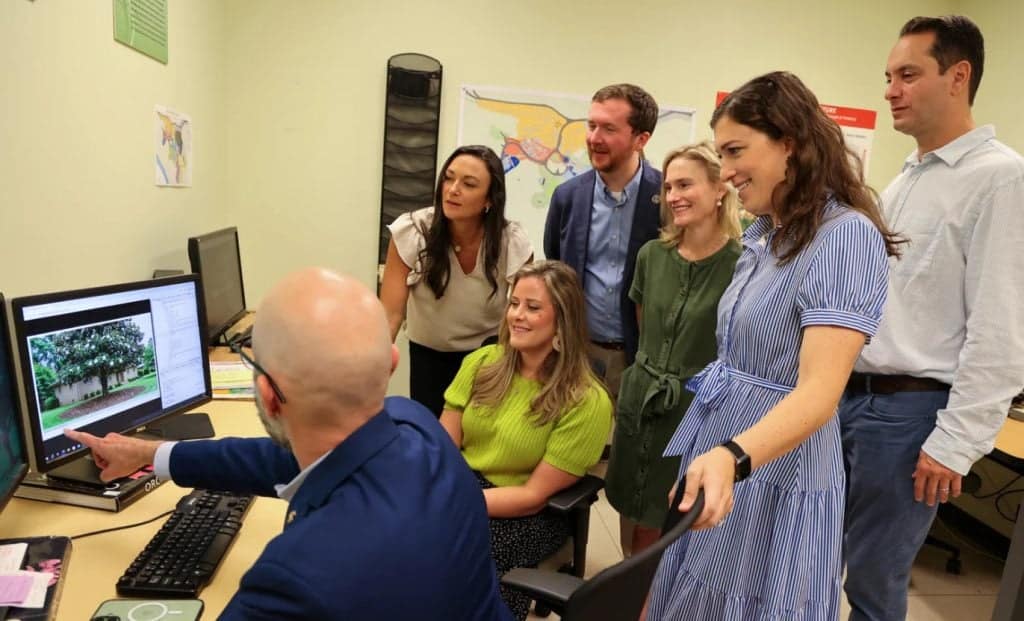
At the heart of the project is an interactive website as a resource for businesses, homeowners, and nonprofits that want to help plant the right tree. The website includes an augmented reality tool allowing people to use their phone camera to plant trees virtually to decide the best tree and location.
“The idea was that we wanted to create something that was really innovative and not full of really highfalutin’ language that the average person can’t understand,” explained Berry. “A set of trees has been recommended by the horticulturalist and the folks at the University of Georgia. There are planting instructions and maintenance instructions, and all kinds of information in a really user-friendly format.”

The hurricane-devastated counties in South Carolina are included in the project. Entering a South Carolina zip code into the website’s search will create recommendations for trees to plant in the Palmetto State. That reflects the participation of Dominion Energy along with horticultural and forestry experts from Clemson University in building the web tool.
Berry said they are also working to get regional garden clubs involved in the project, similar to how the Sand Hills Garden Club joined CFCRSA and Augusta University to replant a Deodar cedar at the entrance to the campus.
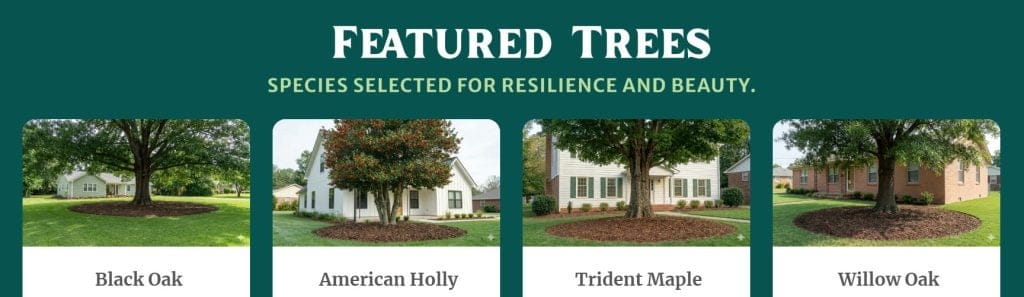
The recommended trees will be native hardwoods, an effort to offset the organic regrowth of pine trees, which are vulnerable to storms.
“They’ll come up in places we don’t necessarily want them, like close to power lines, things that hurt our infrastructure. This is a more proactive way to think about putting…quote unquote…the right tree back in the right place. It’s not going to be root systems that tear up sidewalks. It’s going to get the right amount of sun, so it doesn’t require a lot of resources to maintain it.”
CFCSRA is also beginning to work with local nurseries to begin cultivating young trees, so they are immediately available. The partners are also looking for ways to provide trees at low or no cost to individuals unable to buy them.
For Berry, this project is an example of playing the long game.
“There’s a saying in philanthropy that when you give away money, it’s like planting seeds for a tree under which you will never take shade,” she said. “That feels apropos to this particular effort. This is something that we hope will have long-lasting impact across the whole region, and we find it to be a great use of the philanthropic dollars that were raised right after the hurricane.”
The site is available at www.thegrowbackproject.org