CSRA residents, like millions of Americans, enjoy the ease of online shopping. But that trend also brings out criminals trying to capitalize on that appeal by running scams and, surprisingly, the fastest growing victim group is teenagers.
The South Carolina Law Enforcement Department (SLED) said the end of the year is especially rife with scams and fraud.
According to Social Catfish, in the past five years, the number of teenage victims of scams has increased by 1,125 percent and in 2021 resulted in a loss of $101.4 million. Those over 60 are still the largest group of scam victims, resulting in $1.7 billion in losses in 2021.
Unlike seniors, who often fall for scams because of a lack of tech knowledge, teens often fall victim because of overconfidence about their tech savvy. They are especially vulnerable to three types of tech scams: romantic scams through online dating sites, social influencer “free” giveaways, and fake websites that mimic real stores.
Although teens and seniors are the most frequent victims of scams, SLED warns that anyone can fall prey to scammers.
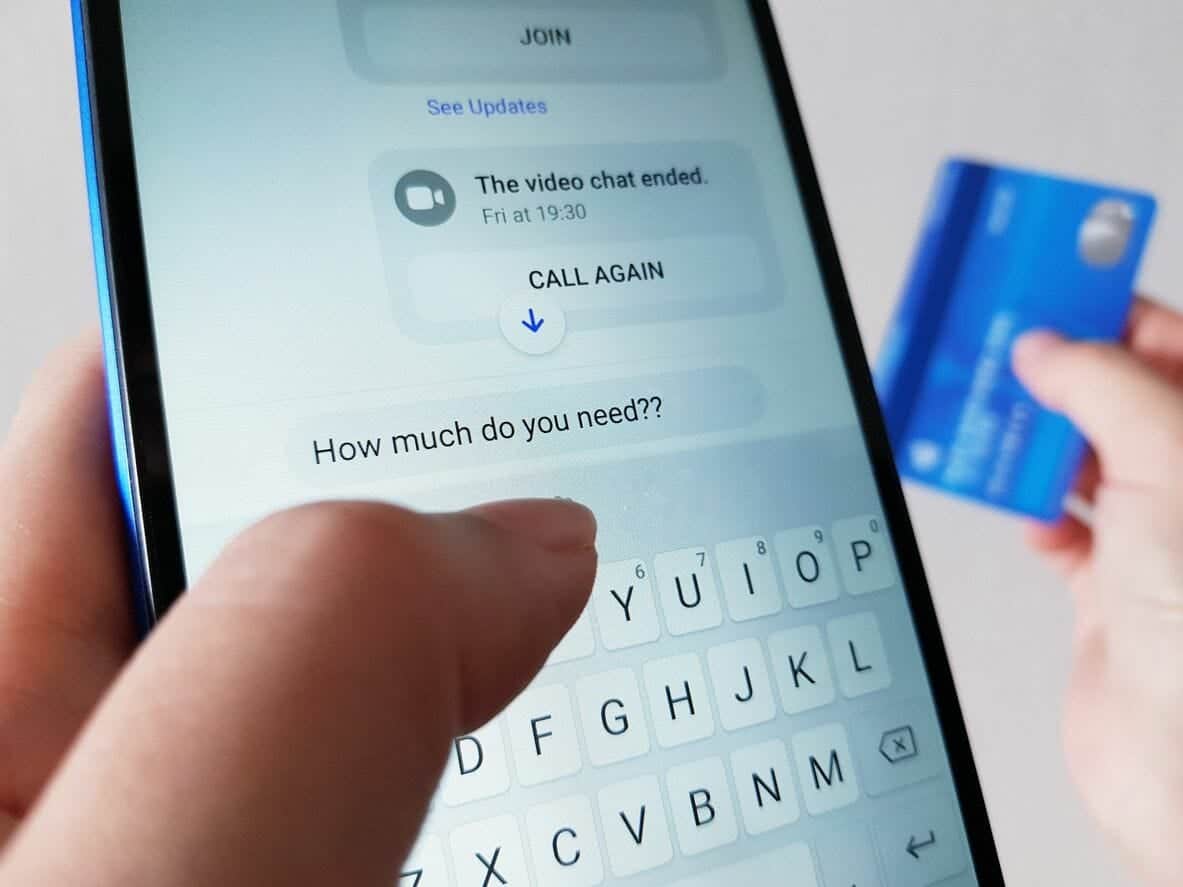
Here are some ways to stay safe.
- Verify that the account is real. There are thousands of fake Amazon, Walmart, eBay, and other store accounts. These scams generally involve soliciting the intended victim with an official-looking letter or receipt urging the person to click on a link to “verify details.”
- Be careful when using Venmo, Paypal, Zelle, and other money transfer apps. Verify that the person asking for the transfer is real – scammers often try to impersonate someone you may know.
- To reach younger people, scammers set up fake TikTok and Instagram accounts, pretending to be social influencers. Check how many followers the account has – a low number could mean it’s a fake account.
- Never give out your password or your financial details in answer to an email or text request.
- Check your bank account regularly to ensure there is no fraudulent activity.
- Be cautious when shopping online using public wi-fi.
- Use credit cards rather than debit cards to make online transactions.
- If you suspect you’ve been contacted by a scammer, call your local law enforcement agency.