Several leaders of major banks recently warned about a looming financial crisis that could plunge the United States into a major recession. This reflects the same sentiment of a gloomy economic forecast as Hull College of Business economist, Simon Medcalfe made in his ABD column on Wednesday (see his local report here).
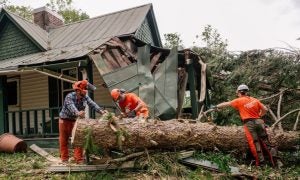
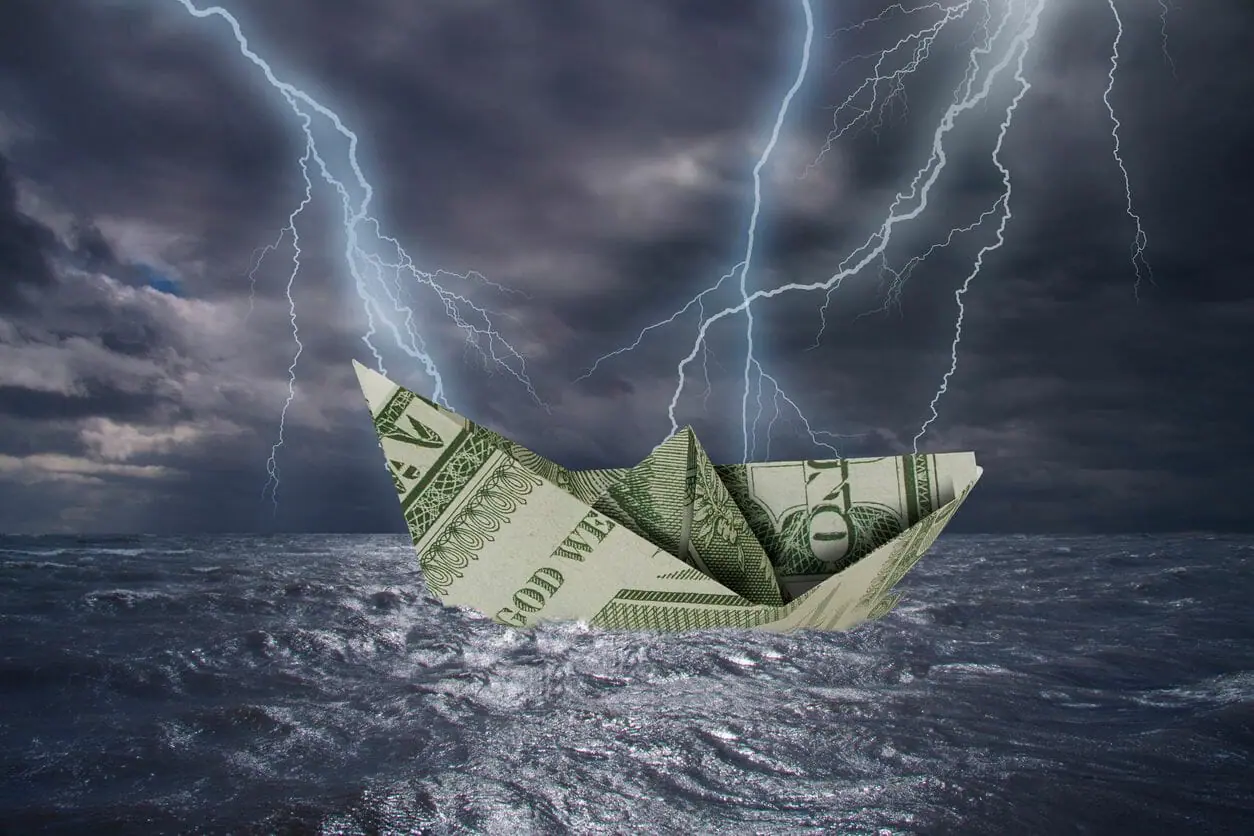
“It’s a hurricane,” JP Morgan Chase CEO, Jamie Dimon said at a recent banking conference in describing his view of the economy. Like with a natural hurricane, where it is sunny and peaceful in the days ahead of the impending storm, the potential damage is being masked by a relatively thriving economy.
“Right now, it’s kind of sunny, things are doing fine,” Dimon said. “Everyone thinks the Fed can handle this. That hurricane is right out there, down the road, coming our way. We just don’t know if it’s a minor one or Superstorm Sandy.”
The “hurricane” is being fed by inflation at a 40-year high, rising fuel prices, a volatile stock market, uncertainty over the war in Ukraine, supply chain issues, and doubts about whether the Federal Reserve can do enough to rein in inflation. Dimon called the situation unprecedented.

The Federal Reserve has been raising interest rates intending to stem spending to restrict the flow of cash in the U.S. economy. But some experts fear those restrictions will have to be so severe that they’ll trigger a major recession. (See a local banker’s explanation of how the Federal Reserve interest rate affects the CSRA here.)
Charlie Scharf, CEO of Wells Fargo, thinks it will be difficult for the Fed to strike that balance.
“The scenario of a soft landing is extremely difficult to achieve in the environment that we’re in today,” he said, noting that his customers are already feeling the effects of inflation.
When inflation dropped from 8.6 percent in March to 8.3 percent in April, some economists predicted that inflation had peaked. But core inflation, which doesn’t take into account food and fuel, increased in April. Core inflation is considered a better indicator of the true inflation picture and, coupled with rising food and fuel prices, means most Americans are already struggling to keep pace with everyday expenses.
Surveys have shown that many Americans saved money during the pandemic, and with low unemployment and increasing wages, they are better situated to weather a minor recession than at some times in the past. But a recent Ipsos-Reuters poll showed that consumer confidence is waning, which is usually an indicator of potential economic problems.
When a real hurricane approaches, wise people lay in supplies, board up windows and prepare for the worst. If the national experts are right about the impending economic hurricane, wise business owners in the CSRA should take similar economic precautions.